Working as a remote paramedic provides plenty of opportunities and challenges. There are many different kinds of remote paramedics, from working as an advisor to working from home in telehealth. One of the more well-known jobs offered to remote paramedics is offshore work. Which raises the question: what exactly is an offshore paramedic?
Offshore Paramedic Job Responsibilities
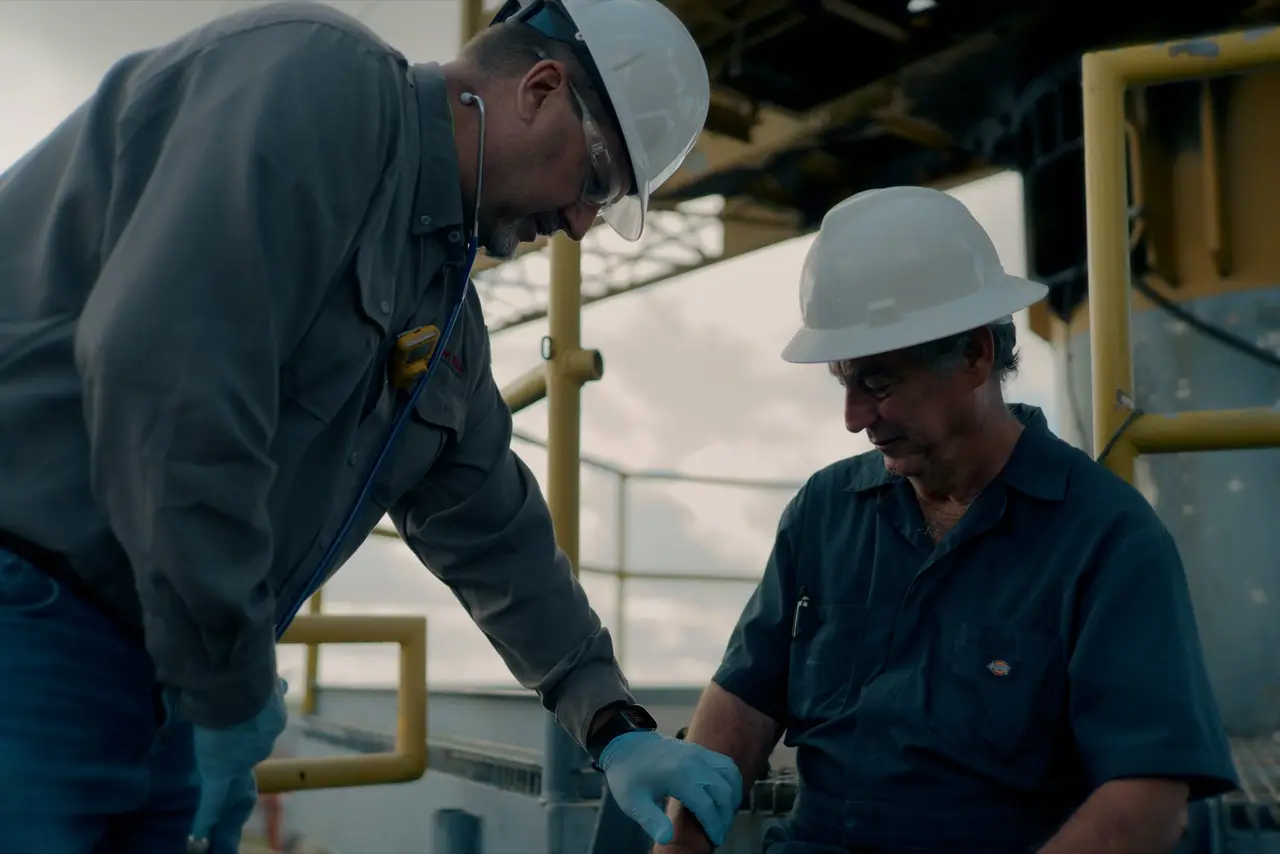
An offshore paramedic is a type of remote paramedic, specifically one that specializes in providing emergency and primary medical assistance to remote worksites. Offshore paramedics work on sites such as oil rigs, ships, drilling rigs, and even some onshore industrial sites. These particular environments are isolated and away from any hospitals or other typical form of medical help.
The Responsibilities of an Offshore Paramedic
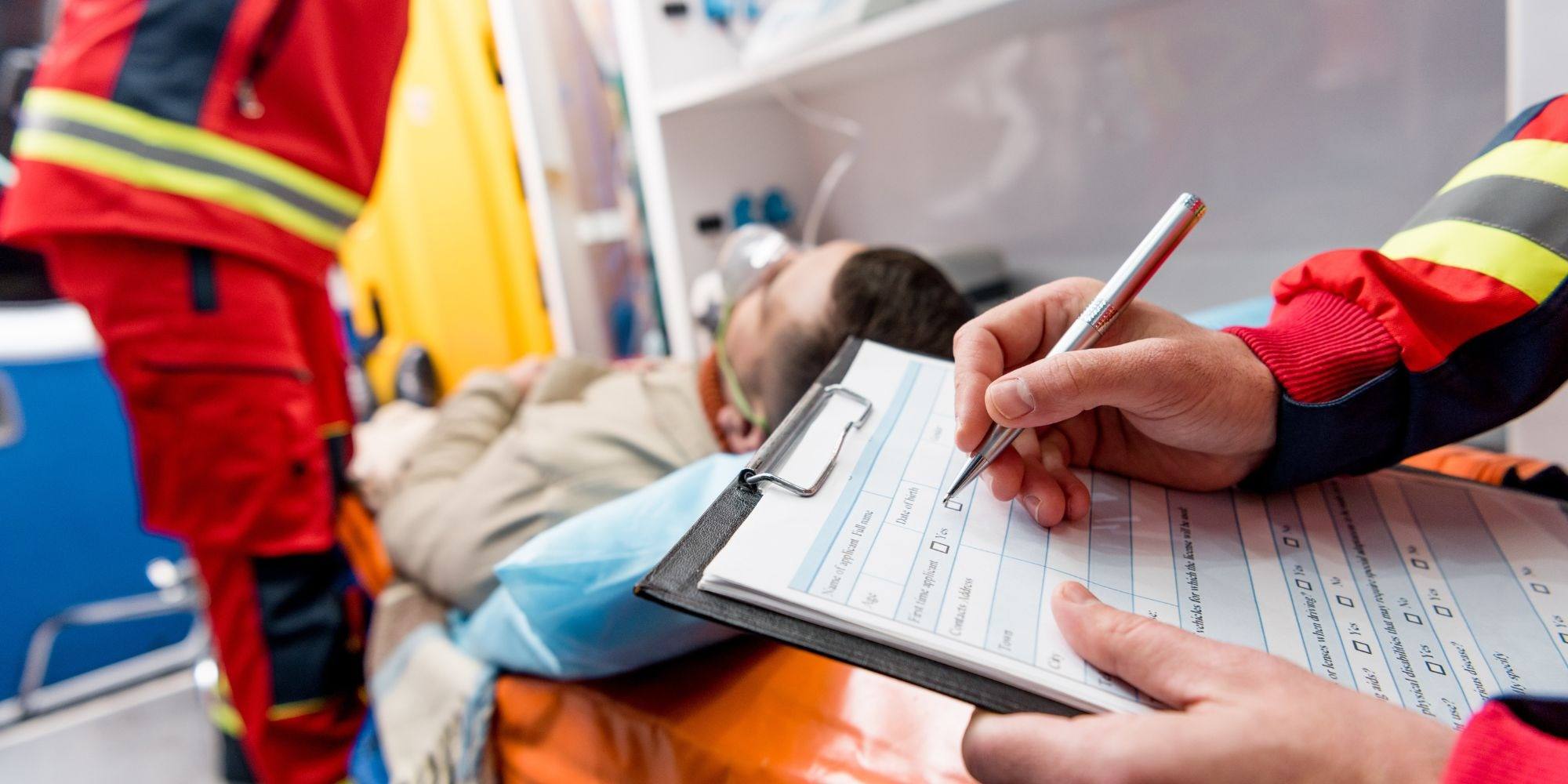
From basic first aid to immediate trauma response, an offshore paramedic is a remote site's first line of medical help. Whether that means offering a routine checkup for workers or immediate response after an emergency, both the regular and urgent needs fall under their care.
- Routine Medical Care: Offshore paramedics provide all primary healthcare to those working on the remote jobsites.
- Emergency Response: Offshore paramedics provide immediate, 24/7 emergency response to those on the jobsite.
- First Aid: Offshore paramedics may also provide first-aid assistance. Although simple issues or minor injuries may not be an emergency, they still need to be dealt with.
Offshore Paramedic Requirements
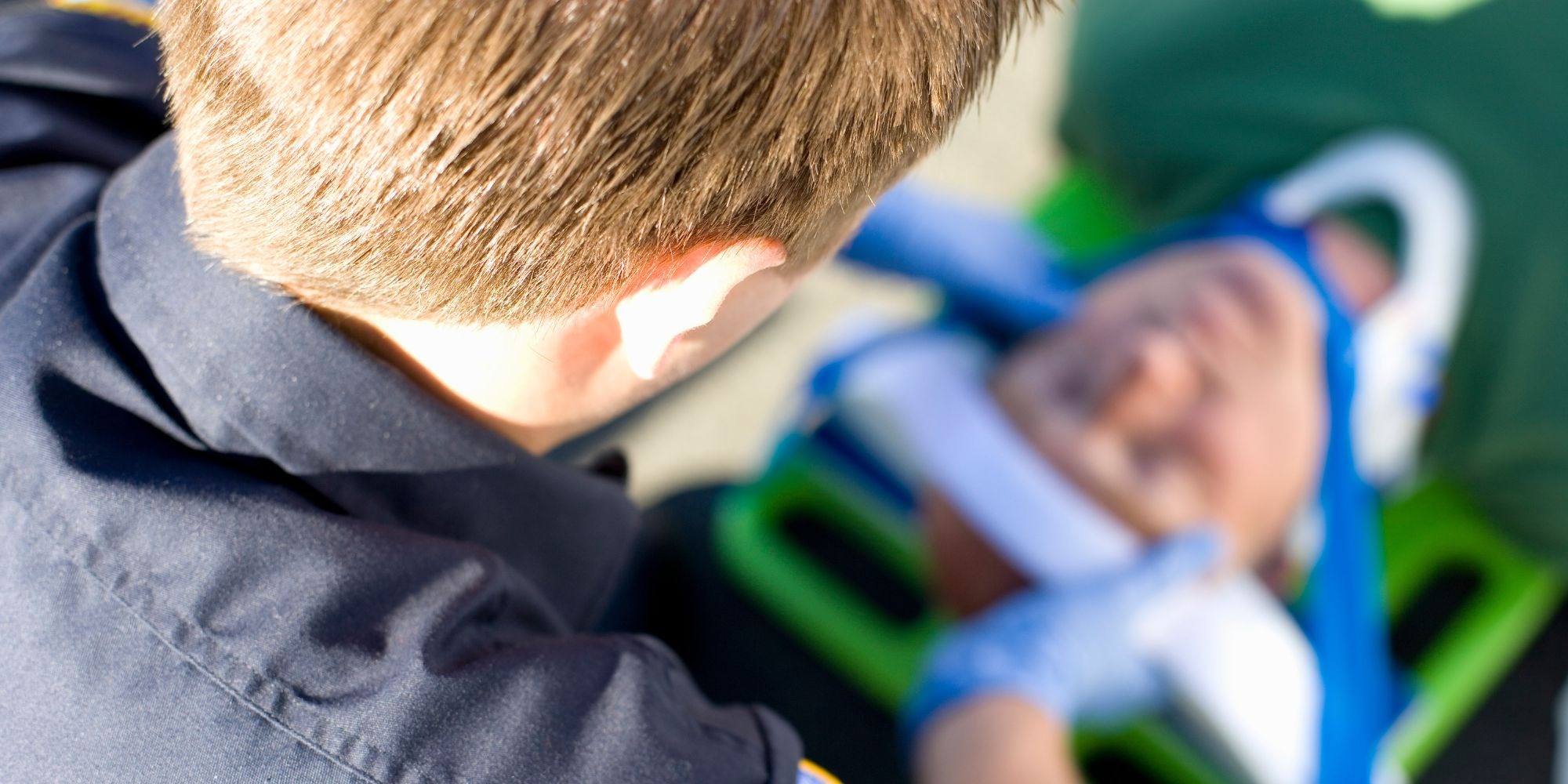
So what's required of offshore paramedics? Other than the vast responsibilities that fall under the job description, offshore paramedics need special training and certifications in order to even qualify for the title.
The Basic Training
Offshore paramedics need to be state-certified with their paramedic license and certification.
Special Certifications
After the basic training, paramedics have to go through further training to gain the core qualifications of an offshore paramedic. This includes advanced life support (ACLS and BLS), as well as the preferred experience most jobsites look for (typically three years for emergency care and one year or more in remote care). There are also other required credentials:
- BOSIET: Basic Offshore Safety Induction and Emergency Training, which covers required skills in responding to offshore emergencies, like fires, surviving at sea, and even helicopter crashes.
- There are also other industrial safety certifications that may be required, such as HAZMAT or HSE (Health and Safety Executive).
Types of Offshore Paramedics
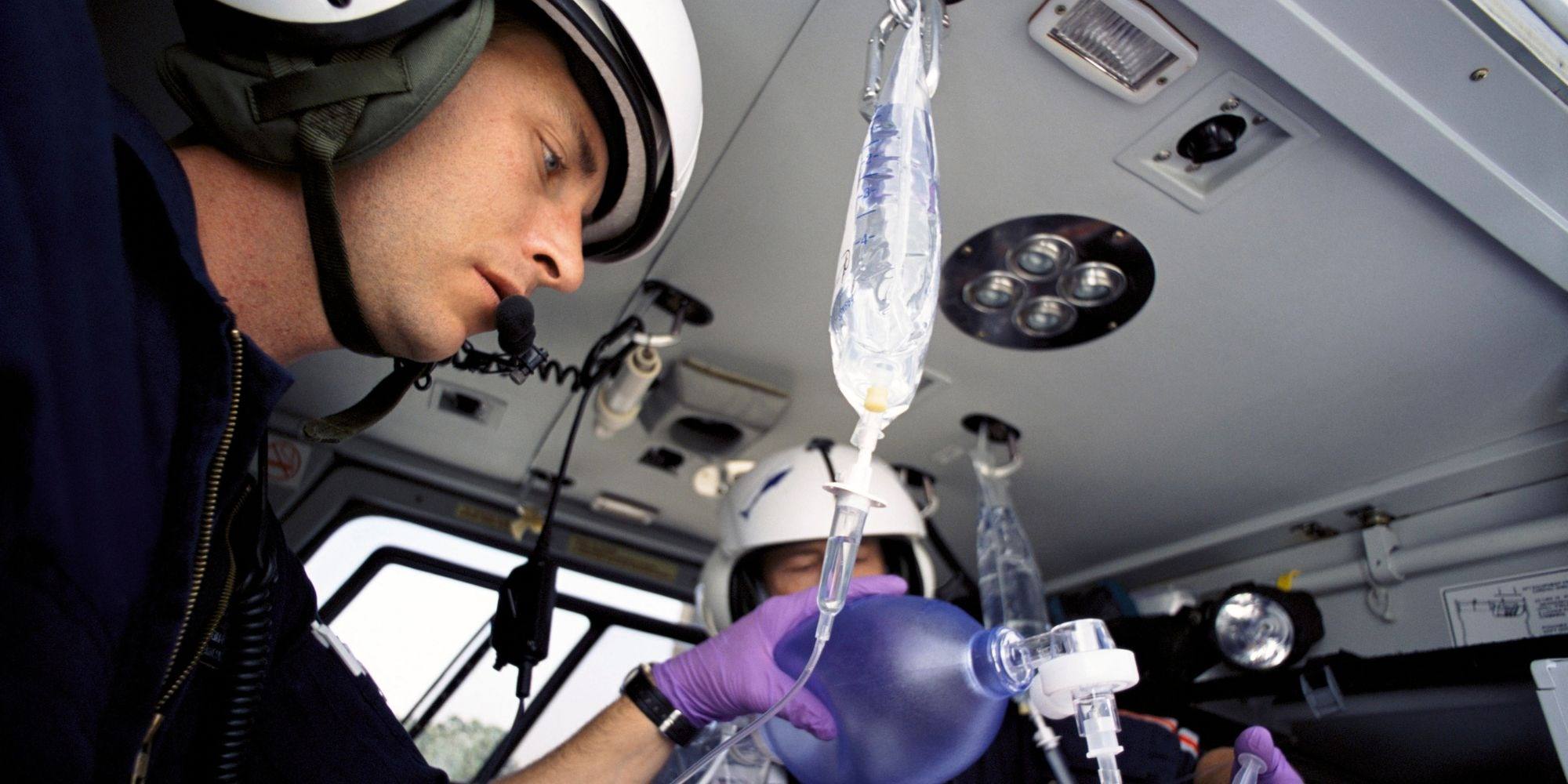
So what are some examples of offshore paramedics? What possible jobs does an offshore medical career offer? There are a range of jobs open to those in the career of offshore paramedics, many of which have certain certifications required for their niche. Jobs such as:
- Oil Rig Paramedic: This is usually the first job that comes to mind when one hears about offshore paramedics. They provide the emergency, routine, and any other medical assistance for remote, offshore oil rigs.
- Drilling Safety Paramedic: These paramedics provide all emergency medical care to remote drilling sites. They also conduct health and safety training, ensure HSE compliance, and even manage medical supplies.
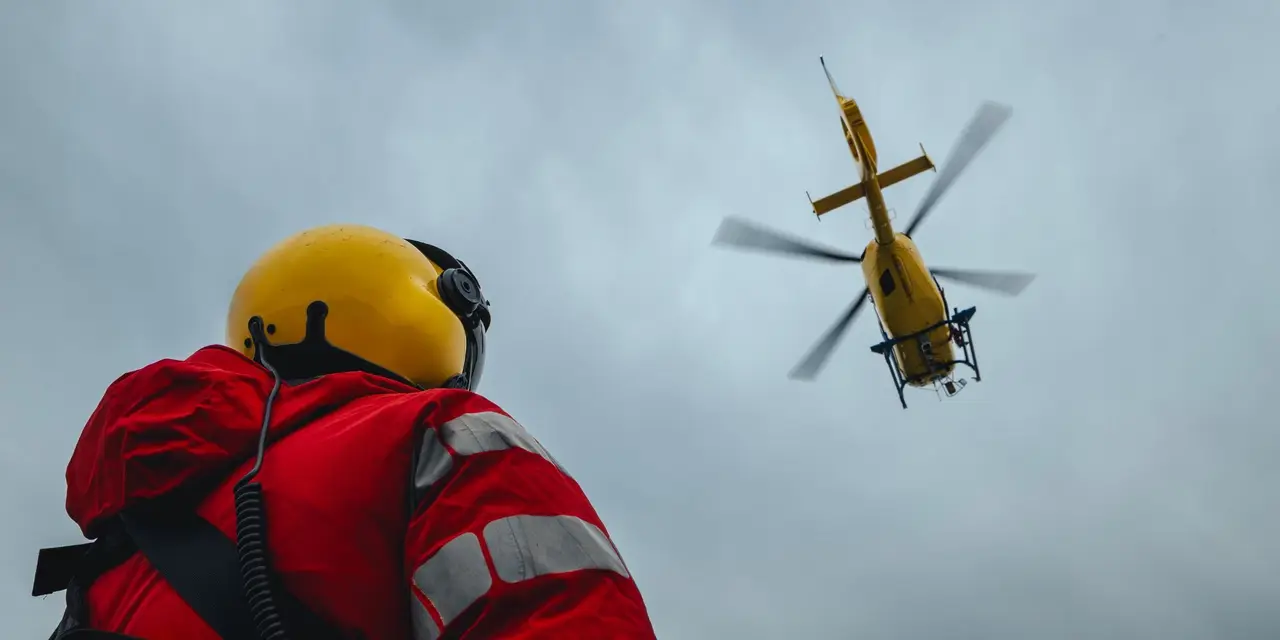
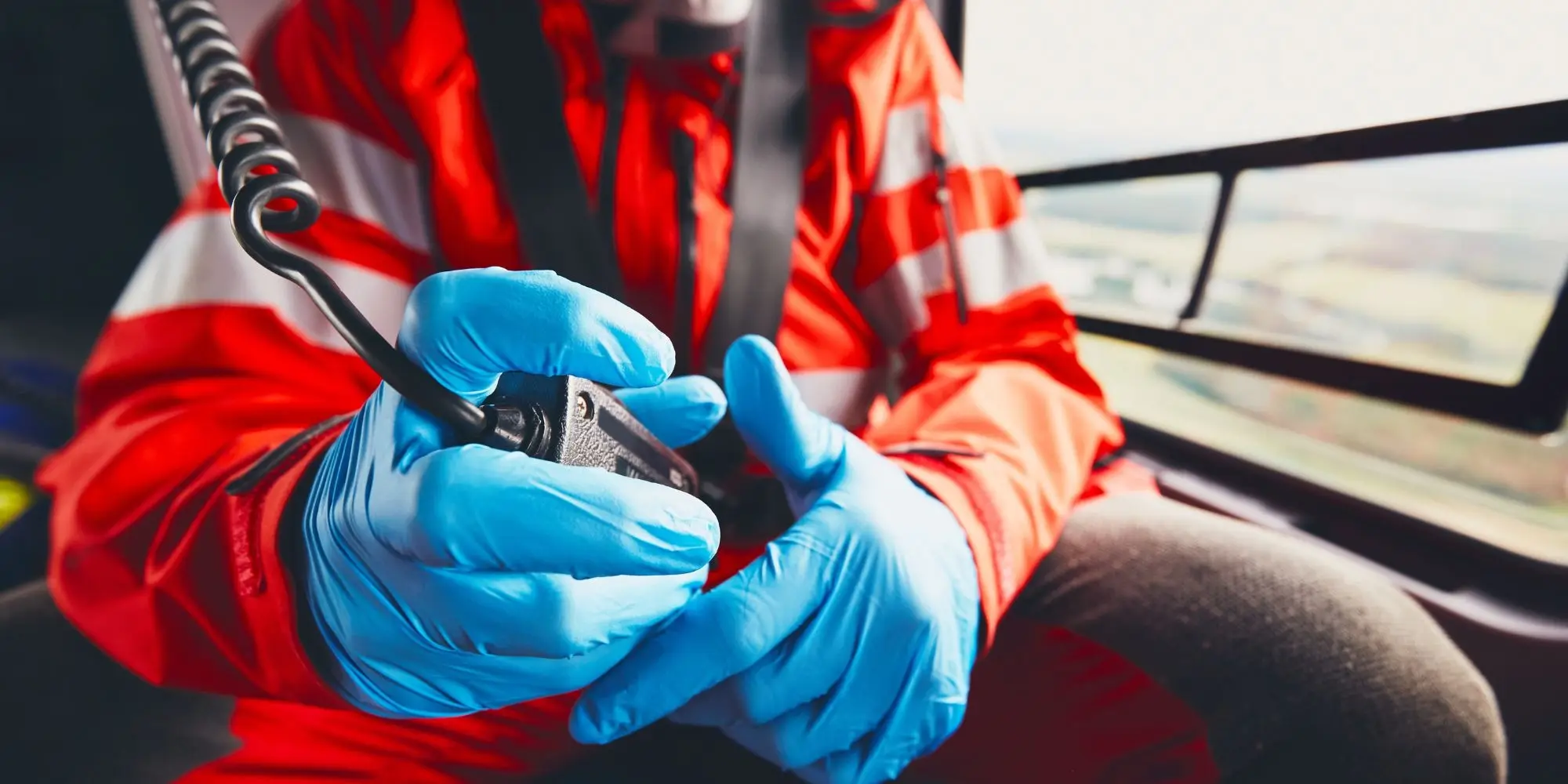
- Flight Paramedic: They provide more advanced emergency care to patients with critical conditions during transport (specifically, helicopters or fixed-wing aircrafts).
- Ship Paramedic: They provide routine and emergency care for the crew and even passengers on a sea vessel.
Conclusion
Offshore paramedics are a remote jobsite's first responder. They provide the necessary emergency medical care, all primary medical care, as well as other needed medical assistance to those working in remote fields. It's a line of work that is demanding, and filled with all kinds of requirements and expectations. All in all, an offshore paramedic's job is to bridge the gap in emergency and urgent care to remote and isolated sites.