There are many types of medical services, all of which are specialized and suited for specific tasks and industries, especially offshore medical services. But what exactly do offshore medical services do?
What Are Offshore Medical Services
Offshore medical services are a specialized type of healthcare, including occupational health and emergency response services. What sets offshore medical services apart from normal healthcare services is that they are suited for remote environments. Some industries are highly isolated, making access to normal medical services limited. Offshore medical services are there to bridge the gap between necessary remote locations and limited medical resources.
Industries That Use It
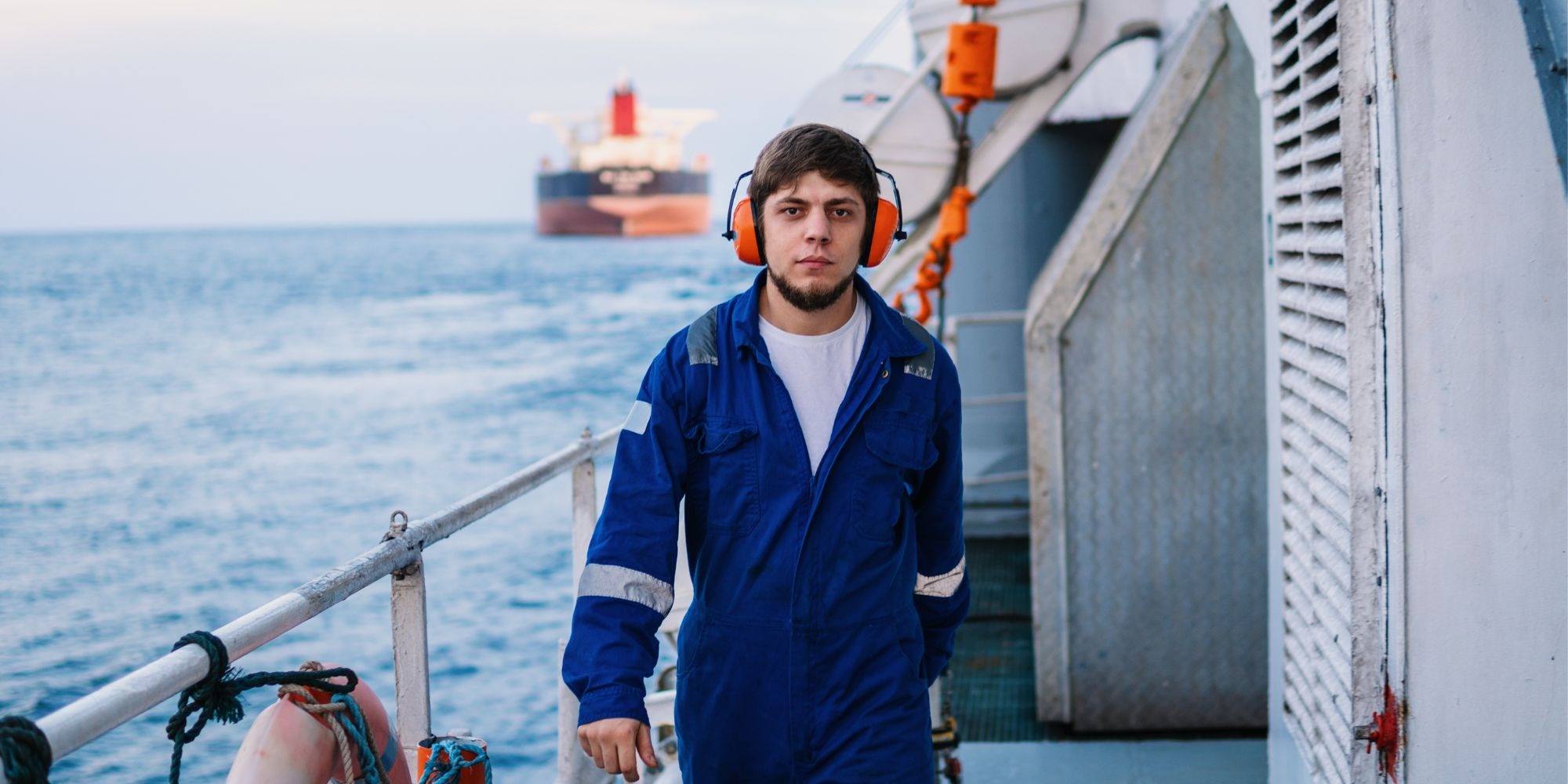
Some industries work in extremely remote locations — so remote that access to normal healthcare is relatively impossible. Others work in high-risk environments. Because of this, these industries use offshore medical services to provide their workers with regular healthcare services, especially emergency treatment.
- Oil & Gas: The oil and gas industries are the most common example of offshore industries that need specialized medical support. Many oil rigs, drilling sites, and other jobsites are either located miles away from any medical treatment centers or entirely offshore.
- Renewable Energy: Although the industry isn't technically "offshore," it is still a high-risk environment, making onsite medical services a necessity in order to address injuries or other urgent needs immediately.
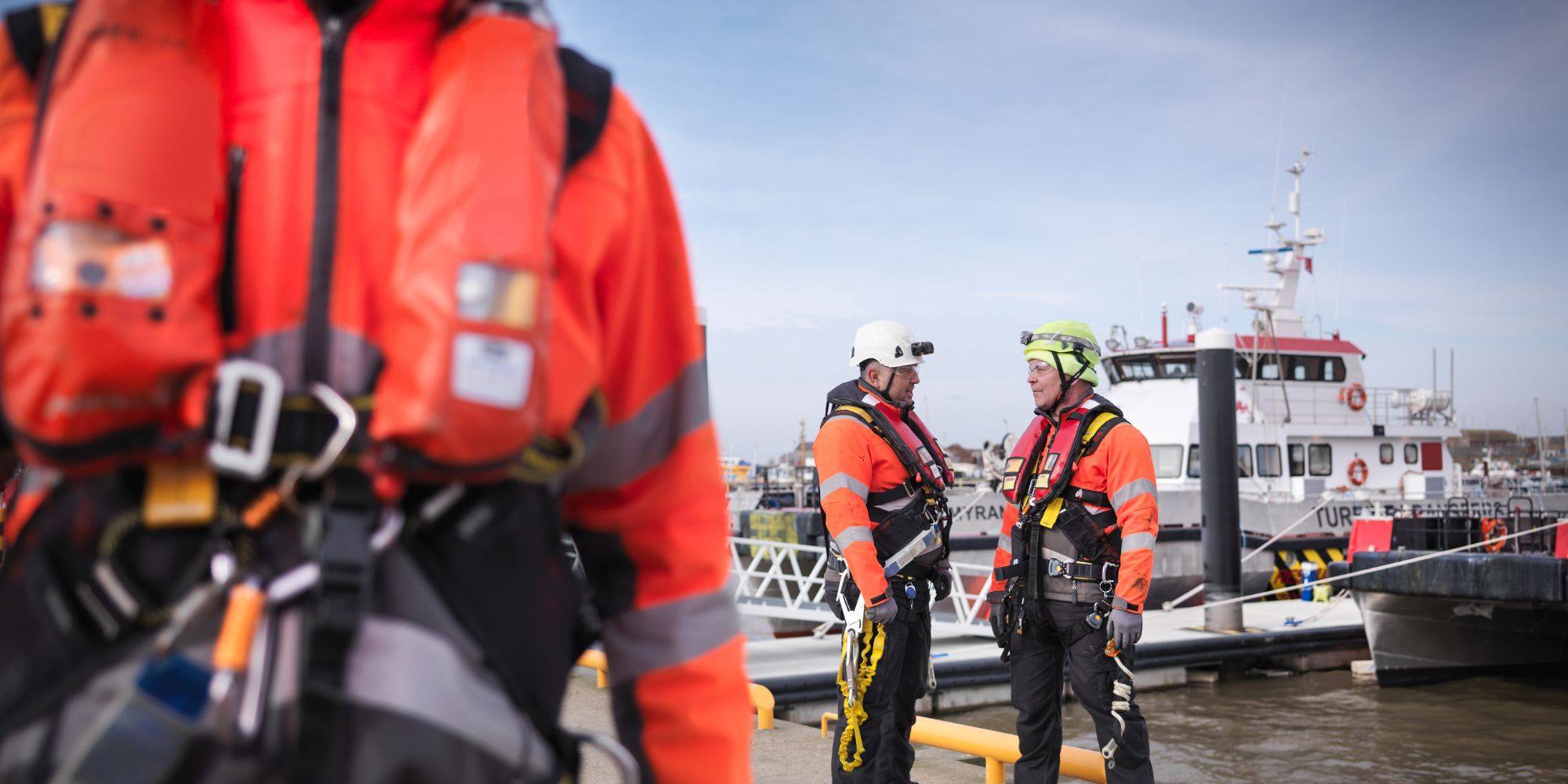
- Maritime & Shipping: Large sea vessels (commercial, cargo, and fishing) are another prime example of offshore jobsites that require specialized medical services to address the needs of the crew.
- Construction & Mining: Some heavy industrial construction sites as well as mining sites are located in remote areas, on top of being already high-risk environments. This makes specialized medical services necessary for both industries to address emergencies and other medical needs.
The Services
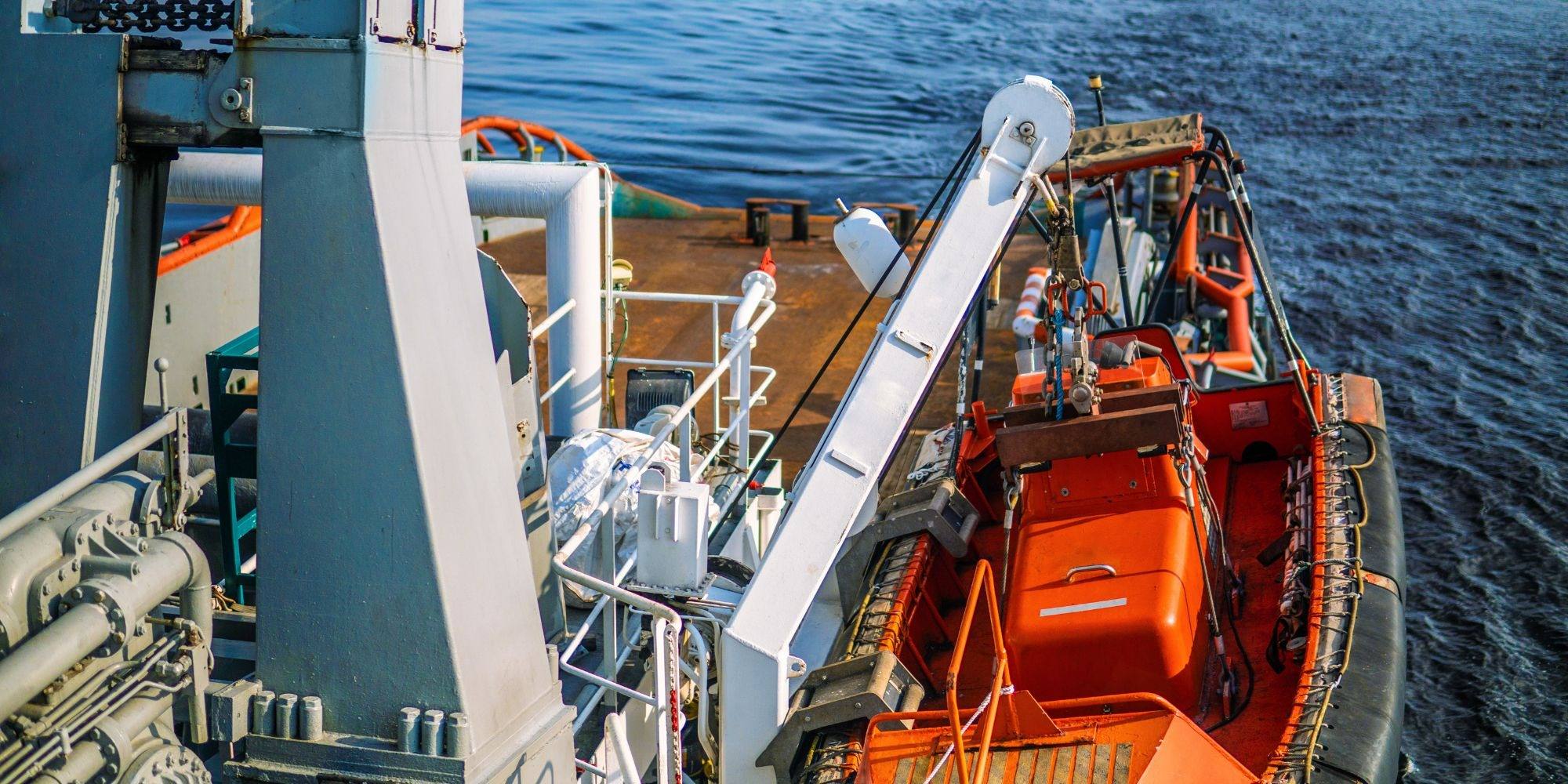
Offshore medical services usually operate through offshore paramedics or medics who perform necessary medical care in remote industries. The services they provide include:
- Pre-Deployment & Occupational Health Checks: Before workers can begin work, offshore medics have to conduct health checks to ensure they are fit for work, from physical evaluations to drug and alcohol screening.
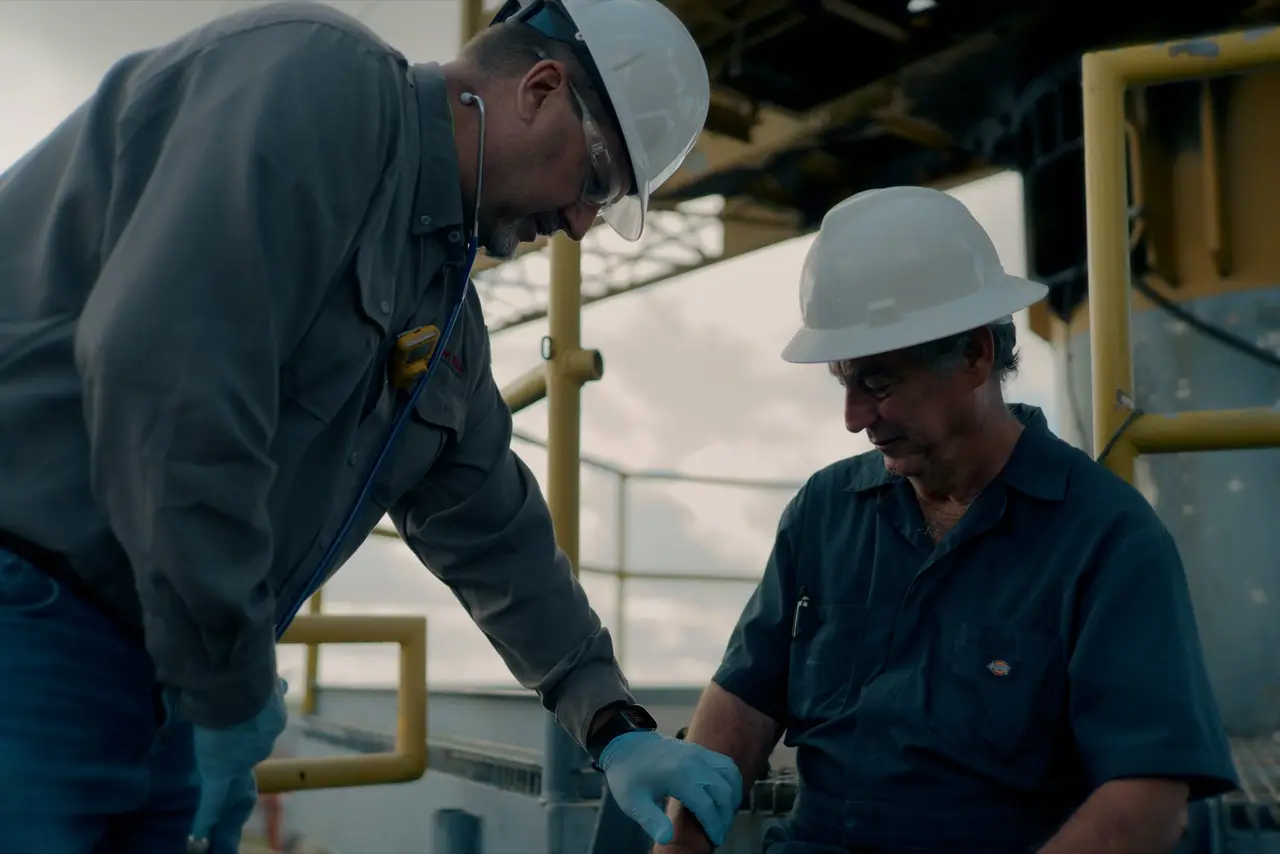
- Preventative Health & Wellness Care: Offshore paramedics also have to ensure the health and wellness of workers throughout their time onsite. This includes regular checkups, monitoring blood pressure and cholesterol, chronic disease management, as well as counseling and stress management.
- On-Site Emergency Care: Because offshore sites are isolated, offshore paramedics function as first responders for emergencies. If there is ever a medical emergency onsite, it's an offshore medic's job to provide trauma life support. They are even responsible for contacting off-site doctors for real-time guidance.
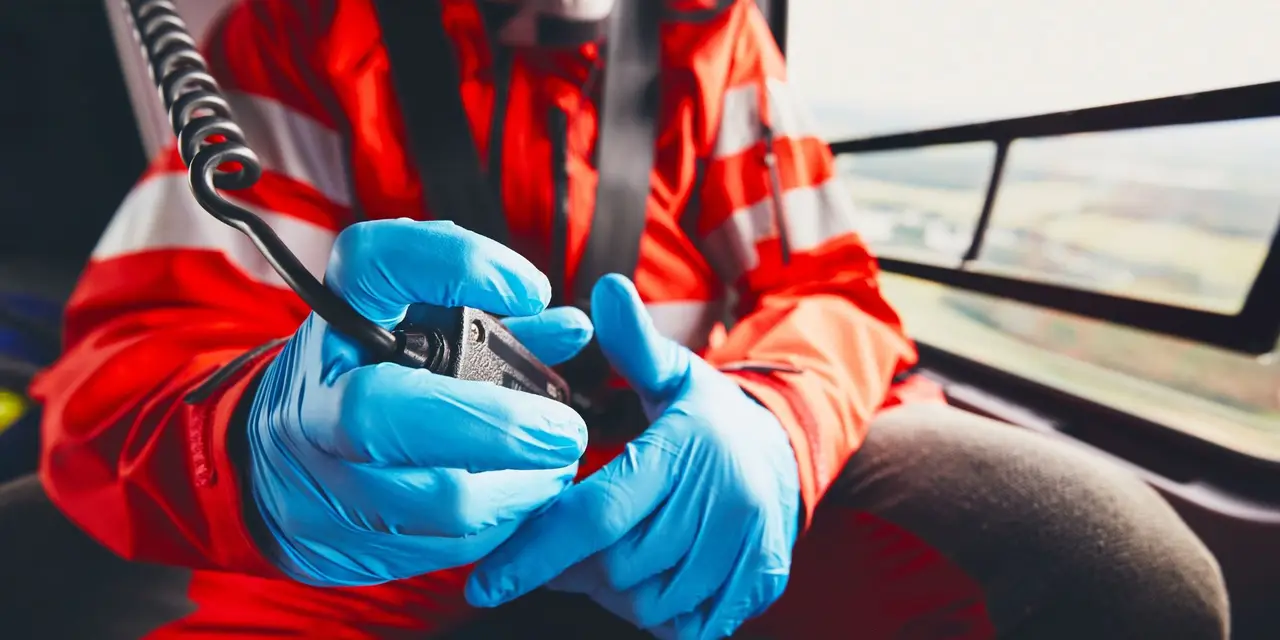
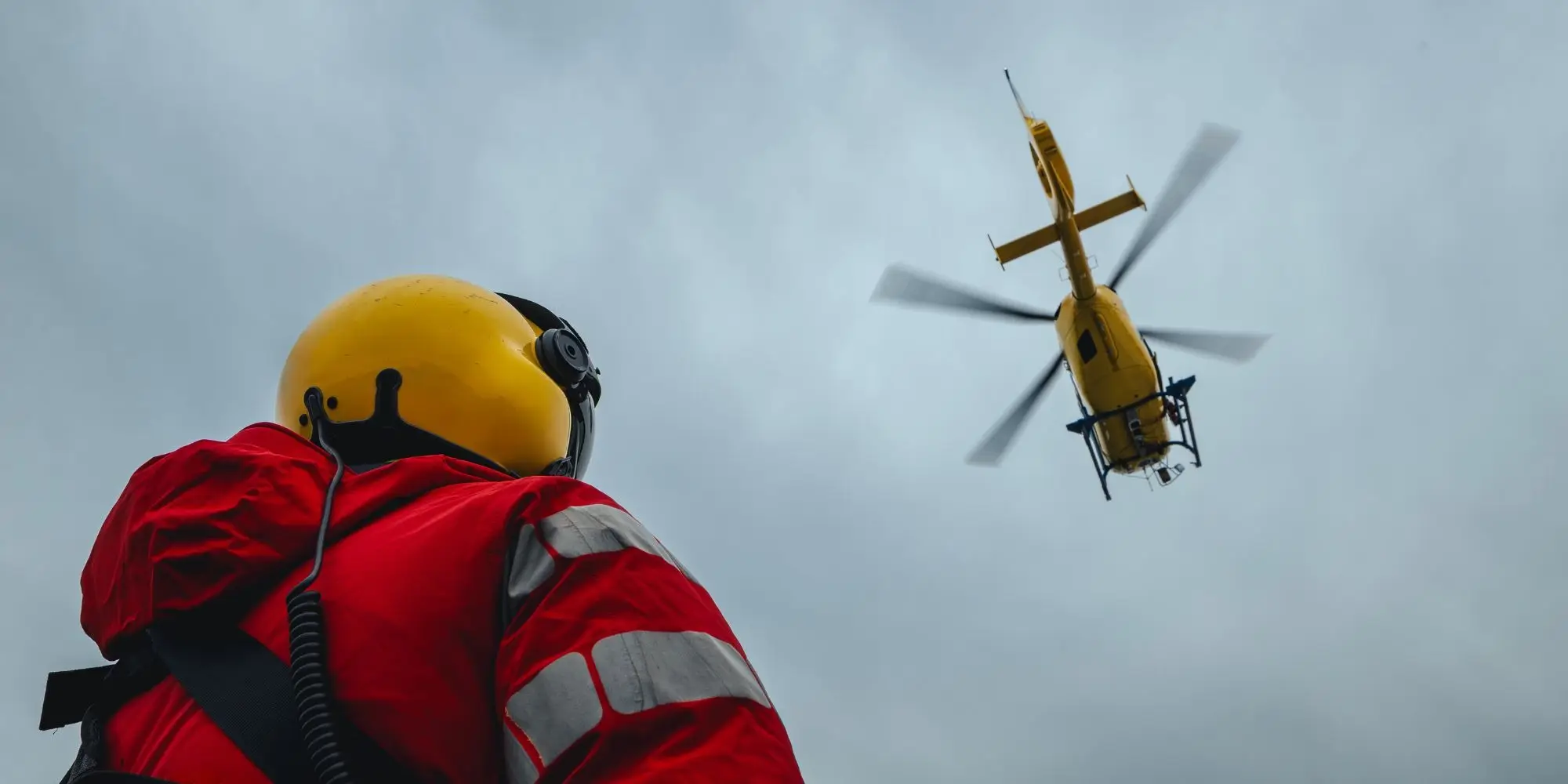
- Medical Evacuation: In emergencies, they are also responsible for coordinating medical evacuations and arranging helicopter or vessel transfers for cases that require hospitalization.
Conclusion
Overall, offshore medical services function similarly to traditional healthcare services, but are specialized to provide the basic healthcare, occupational healthcare, emergency response, and evacuation coordination required for remote and offshore jobsites.