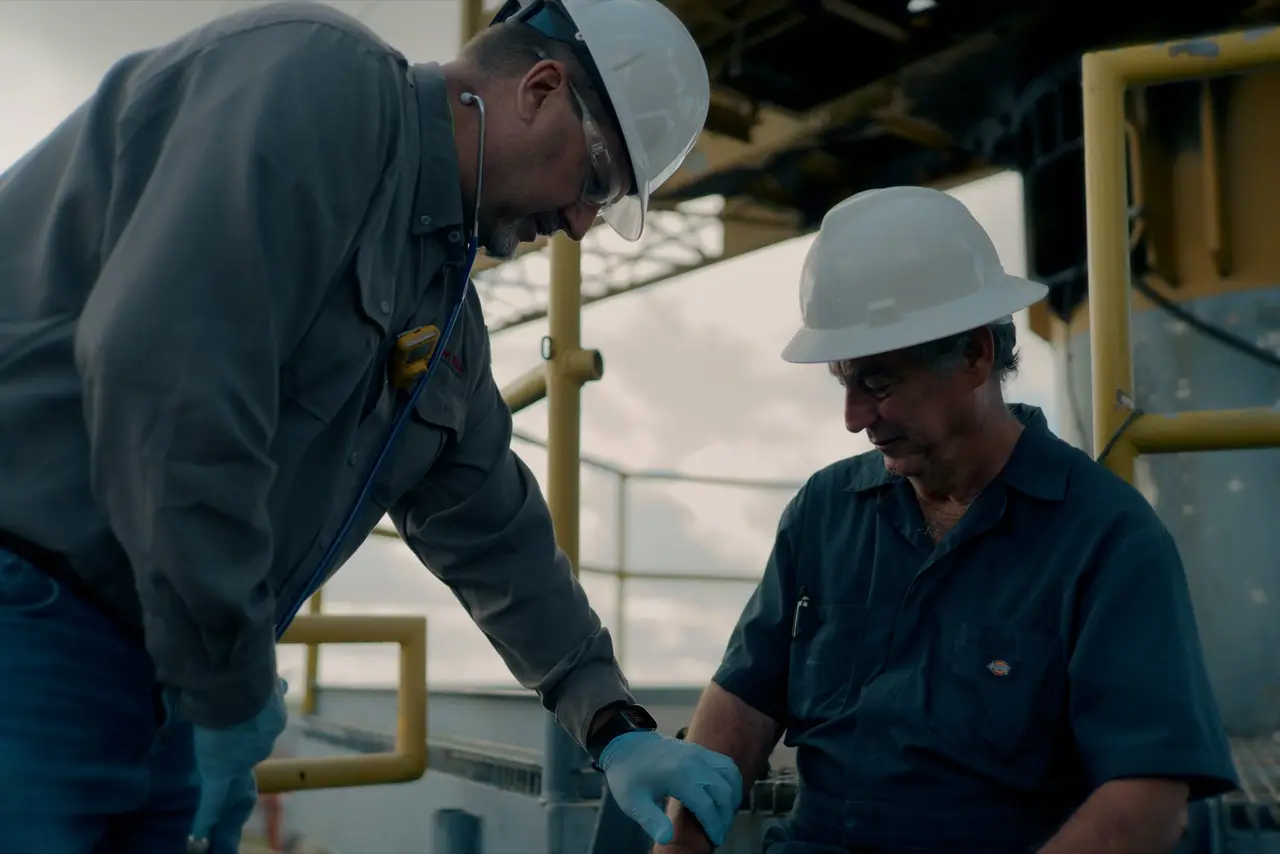

The medical industry provides a broad range of different services. Anything from emergency services to a visit to the clinic falls under the broad topic of "medical services." But what about more niche topics within these services, such as remote medical services? How exactly do remote medical services differ from the "regular" aspect of medical services?
What "Regular" Medical Services Are

What exactly are the "regular" medical services? Medical services are such a broad category, it's difficult to explain all the aspects it covers. But the "regular" side of healthcare generally refers to the in-person aspects of medical care. For example, a visit to the doctor's office is one of the most common examples of regular medical services.
Regular healthcare usually requires in-person contact between the provider and patient. Typically, a patient has to travel and wait in clinical settings before receiving treatment. This makes it optimal for emergencies and more serious illnesses that require a doctor's visit. But what about the remote side?
What Remote Medical Services Are
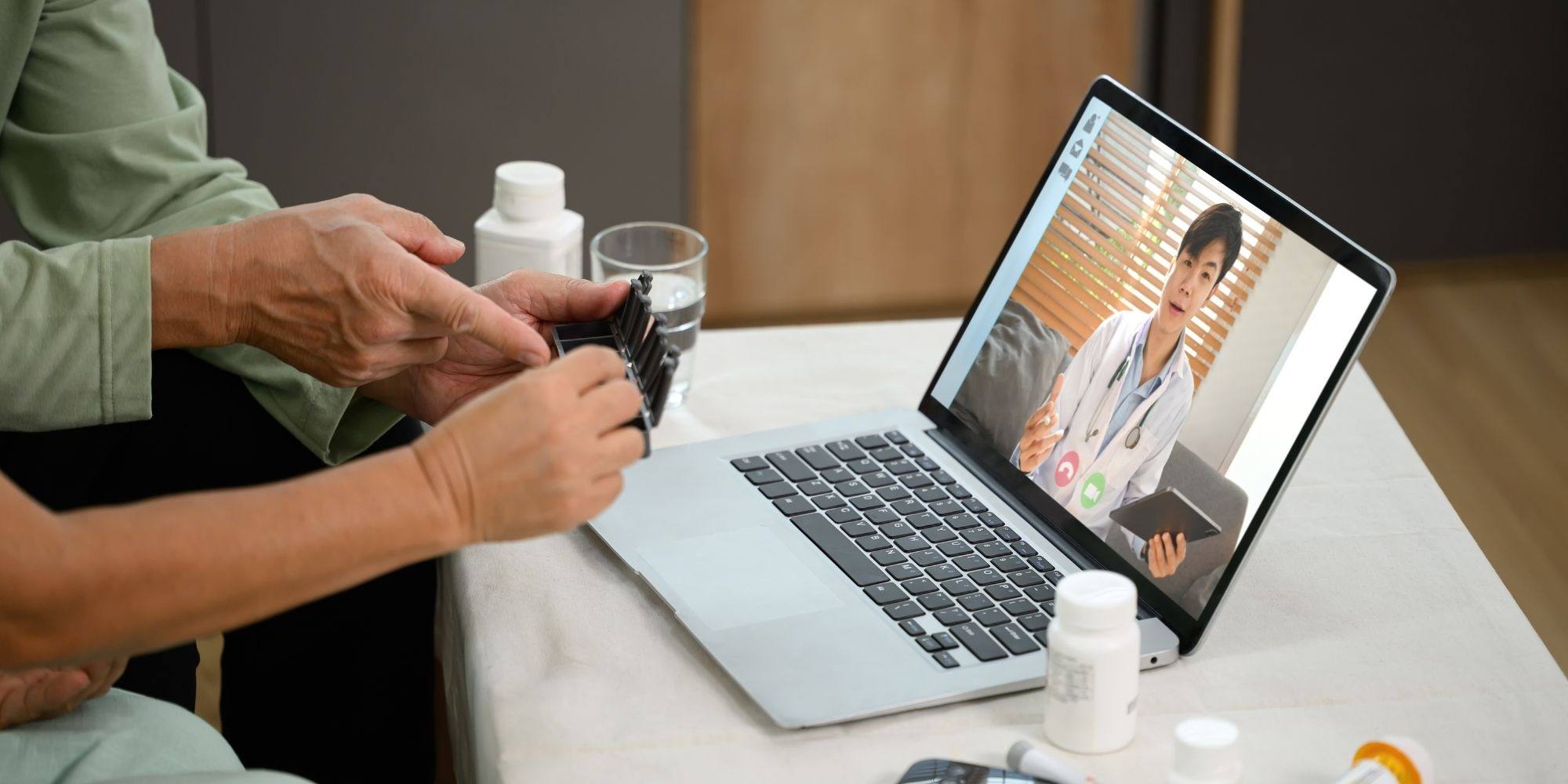
Remote medical services are essentially summed up in the name: they are the remote side of healthcare. Remote medical services are non-in-person care. This means interactions are done remotely, such as over the phone (this includes telehealth and its categories as well). Remote healthcare doesn't require a patient to wait or travel a distance to see their healthcare provider for something minor, such as calling for medical advice.
With remote services, a patient can just call their doctor for medical advice, ask about prescriptions, and even get a diagnosis for minor sickness. Since the contact is through digital devices, results may not be as thorough, making it better suited for non-emergency needs, health counseling, questions, and basic checkups.
The Key Distinctions
While both medical services are still similar, they differ in multiple ways. The most obvious difference is that regular healthcare is in-person and provides much more comprehensive results. Meanwhile, remote healthcare is done remotely through digital contact. And although remote healthcare gives less comprehensive results, it offers greater convenience.
It's also important to note that remote medical services help the "regular" side of healthcare. Remote healthcare helps service providers by allowing them to track certain issues in patients without taking up as much time as a normal visit.
What Else Remote Healthcare is Used For

But remote healthcare isn't only helpful for the most commonly seen examples of medical services. Remote medical services are also used for other industries:
- General Healthcare & Telehealth: Hospitals, clinics, and other healthcare providers all use remote medical services to deliver basic treatments, medical advice, and other services more conveniently.
- Oil, Gas, & Mining: Since the oil, gas, and mining industries work heavily on remote jobsites (both onshore and offshore), they don't have access to "regular" medical assistance, so they use remote medical services for urgent and basic healthcare (e.g. offshore medics, telemedicine, etc.)
- Maritime & Global Logistics: Commercial shipping crews and maritime workers (along with other global transport industries) use remote medical services to provide onsite medical care and emergency response.
Many industries (especially remote industries) use remote medical services and healthcare in order to make up for the lack of regular services.
Conclusion
The difference between regular and remote medical services mostly lies in how the service is delivered. Regular services provide in-person treatment and make up the majority of healthcare delivery. Meanwhile, remote services are done remotely through digital communication and are typically used for more minor medical needs. Remote medical services are also heavily relied upon for remote industries like oil and gas.