Slips, trips, and falls are some of the most common workplace injuries reported at industrial worksites. These accidents can have a range of serious consequences, from minor scrapes and bruises to more severe sprains, breaks, or worse.
To reduce the risk of these injuries in your workplace, it's important to take proactive steps to identify potential hazards and address them quickly. In this article, we'll explore common causes of slips and falls and discuss practical tips to help prevent them.
Understanding Slip, Trip, and Fall Hazards
The most comprehensive model for predicting and preventing slips, trips, and falls in the workplace is the slip potential model, which outlines factors across two categories: controllable and predictable.
Controllable Factors
- Environment. Understanding the context in which the space is used is essential to determining what precautions should be taken. Is the flooring indoors or outdoors? What kinds of activity happen in and around the workspace? What is the level of foot traffic? Do workers climb or work on elevated stations in this area?
- Floor material. Floor material should suit the environment's needs and be adjusted as necessary. How worn down is the flooring, and how does that affect the risk of slips, trips, and falls? Are there additional measures that can reduce moisture, such as entry mats?
- Contamination. Even if floor material is well suited to the environment, it inevitably becomes dirty, presenting new risks. What kind of contamination is it? How can you prevent it from continuing or recurring?
- Cleaning. Directly related to floor material and contamination, cleaning itself can solve contamination issues but can also create new risks. What cleaning is required to remove the contamination safely? Which chemicals are safe for this floor material? Does cleaning leave wet, oily, soapy, or toxic remnants? How will you indicate that an area should be avoided while being cleaned?
Predictable Factors
Predictable factors involve managing risks for individual workers. Use, human factors and behavior, and footwear can all help address the risk of human error. With appropriate footwear, workers reduce the chance of slipping thanks to better friction. When reminded to be aware of hazards, workers are less likely to rush — preventing trip and slip risks.
Common Causes of Slips, Trips, and Falls in Industrial Workplaces
The most common causes include wet or oily surfaces, poor lighting, an accumulation of clutter or debris on walkways, obstructed views, or pathway obstacles such as exposed wires or misplaced tools.
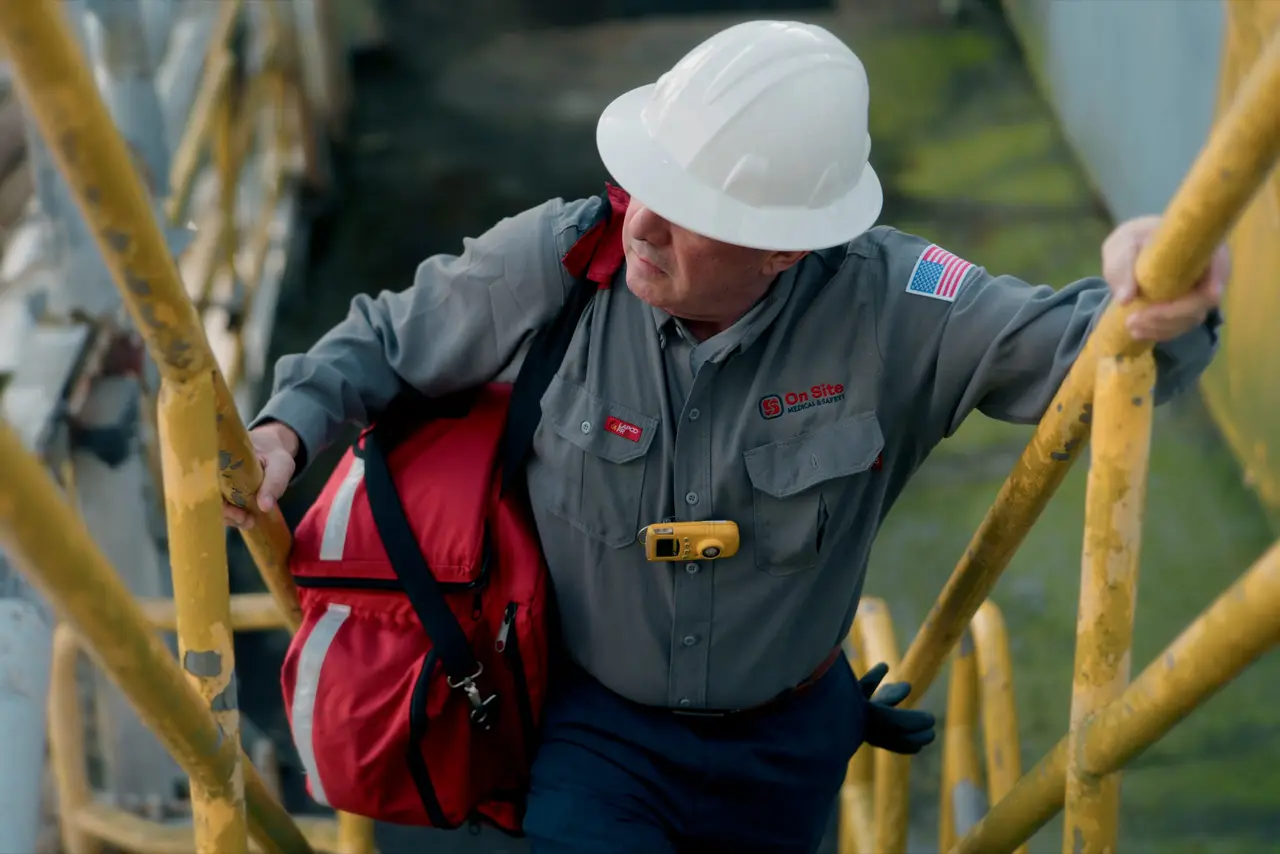
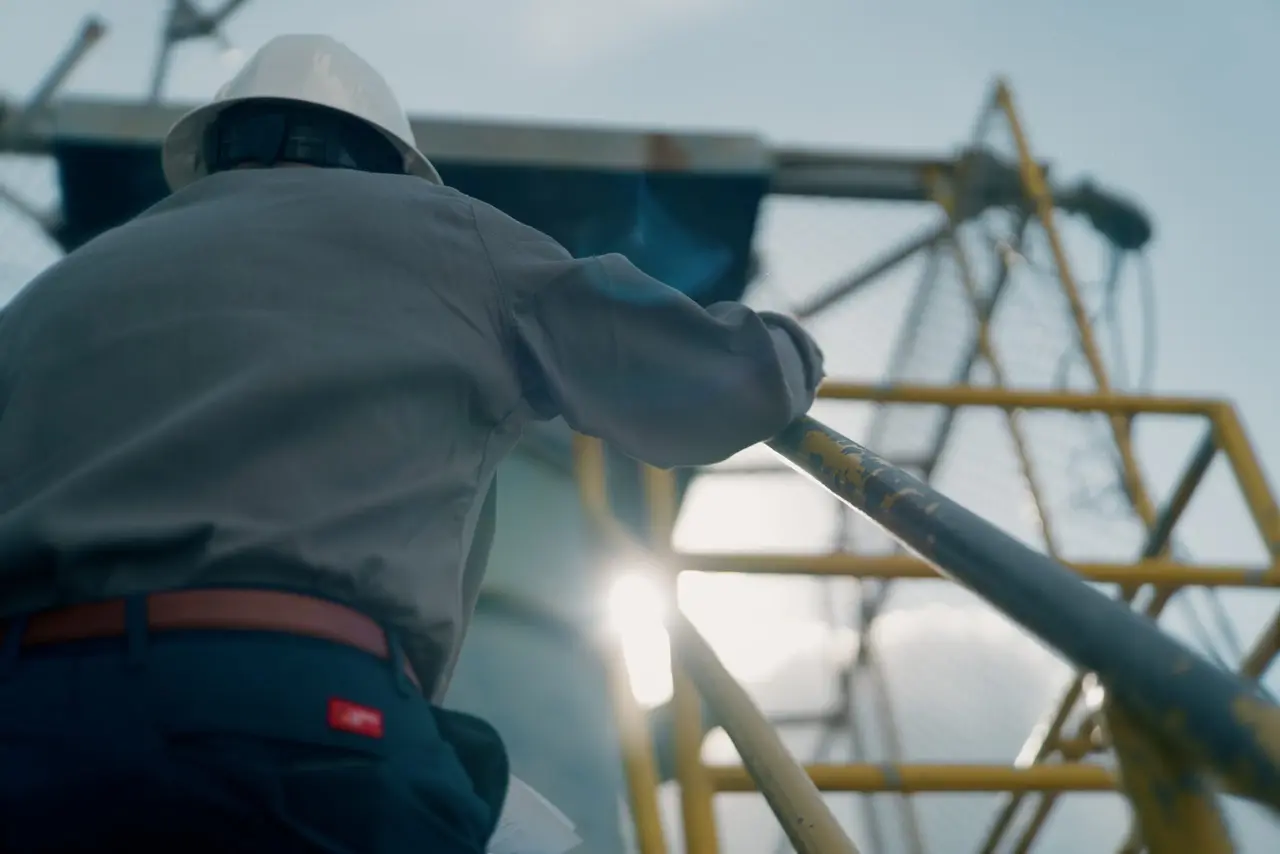
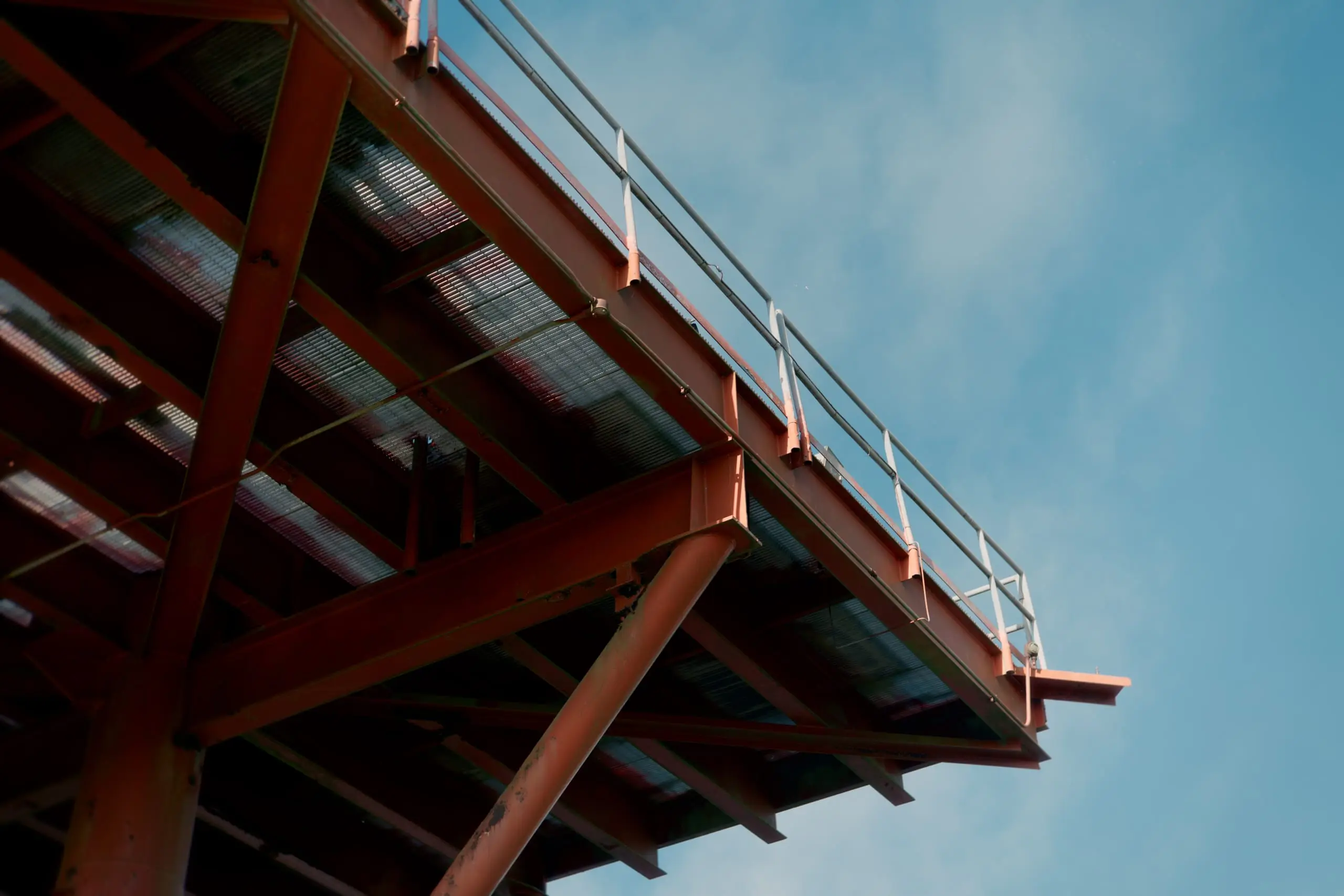
Another frequent — and more severe — source of slips and falls is using ladders and scaffolding at various heights. One wrong move on an elevated platform can be catastrophic, so employees should exercise extra caution when performing these duties.
These incidents can result in serious injuries such as fractures, head injuries, or spinal damage, as well as long-term health issues like chronic pain or loss of mobility.
Preventing Harm with Proactive Safety Practices
It's important to regularly assess the worksite for any potential threats that could lead to an accident. This should include inspecting flooring, ladders, and railings for damaged areas, loose boards, or a lack of non-slip surfaces. In addition, any falling objects or debris should be cleared away, and all pathways must be visible and free from obstruction.
Investing in proper personal protective equipment (PPE) can significantly reduce the risk of slips and falls and should be enforced according to industry regulations. For example, steel-toed boots provide excellent protection against heavy materials and more grip on slick surfaces, while harnesses and safety nets offer extra protection on elevated platforms. Adequate lighting is also essential so workers can see and address potential tripping hazards promptly.
Creating a Safety Culture
Developing and implementing a comprehensive safety program is the best way to prevent slips, trips, and falls at an industrial worksite. You can significantly reduce the risk of injuries by taking proactive steps and implementing a plan with clear policies around safe working practices. That plan should include:
- Processes and policies for creating and maintaining a safe working environment
- Appropriate cautionary signage to warn of potential hazards
- Proper training programs on fall prevention and the use of ladders or scaffolding
- Appropriate PPE to protect workers from slips, trips, and falls
- Routine safety and equipment inspections
- Accident/incident case management and reporting protocols
- Employee engagement standards
Once a safety program has been established, the protocols must be adhered to by all staff and reinforced in recurring toolbox talks. By taking these steps, companies in the industrial and energy sectors can dramatically reduce the risk of slips and falls — which, in turn, keeps employees safe, healthy, and productive.
Your Strategic Safety Partner
On Site Medical & Safety is a strong partner for any industrial organization looking to improve its HSE compliance and safety management systems. Our highly trained consultants have the knowledge and expertise to develop tailored solutions that meet your company's specific needs.
Contact us to get started on improving your safety programs today.